Trauma / Fracture Care
-
Phalangeal Fractures Read More A Podiatric Overview of Phalangeal Fractures in the Foot
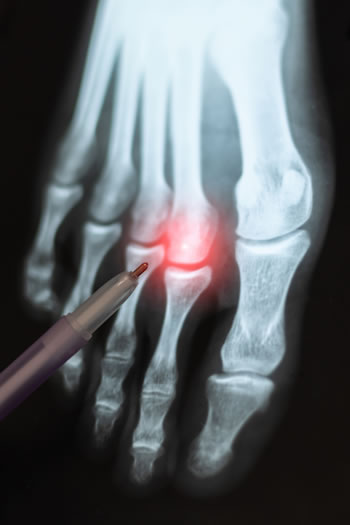 Phalangeal fractures are breaks in the small bones of the toes, known as the phalanges. These injuries are common in podiatry and often occur when a heavy object is dropped on the foot, during sporting activities, or from stubbing the toe against a hard surface. While some fractures are minor, others may involve displacement or joint damage, requiring prompt medical evaluation. Early diagnosis by a podiatrist is important to ensure proper healing and to prevent long-term complications.
Symptoms of a phalangeal fracture typically include sharp pain at the time of injury, followed by swelling, bruising, and tenderness in the affected toe. Patients may have difficulty walking or placing weight on the foot. In more severe cases, the toe may appear misaligned or deformed. Without appropriate care, improper healing can lead to chronic pain, stiffness, or arthritis in the toe joint.
Treatment depends on the severity of the fracture. Many stable fractures can be managed with conservative care, such as rest, immobilization, and buddy taping, where the injured toe is supported by an adjacent toe. More complex fractures may require splinting, protective footwear, or, in some cases, surgical intervention to realign the bone. A podiatrist will often use imaging such as X-rays to determine the best course of care.
If you have toe pain or suspect a fracture, it is important not to delay care. Prompt evaluation can help restore function and reduce recovery time. It is suggested that you call our office to schedule an appointment and receive expert podiatric care tailored to your needs.
-
Midfoot Fractures Read More Causes and Symptoms of Midfoot Fractures
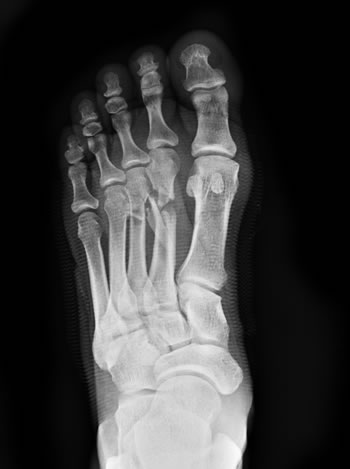 Midfoot fractures involve the bones in the central portion of the foot, including the metatarsals and the tarsal bones that form the arch. These injuries are commonly seen in podiatry and can range from mild stress fractures to more complex injuries such as Lisfranc joint disruptions. Midfoot fractures often occur from high-impact trauma, falls, or twisting injuries, but they can also develop gradually from repetitive stress. Because the midfoot plays a vital role in stability and weight distribution, accurate diagnosis is essential.
Symptoms of a midfoot fracture typically include pain across the top or middle of the foot, swelling, bruising, and difficulty bearing weight. Some patients notice increased pain when walking or standing, especially during push-off. In more severe cases, deformity or instability may be present. If left untreated, midfoot fractures can lead to chronic pain, arch collapse, and long-term joint problems.
Treatment depends on the severity and location of the fracture. Stable fractures may be treated with rest, immobilization, and protective footwear such as a walking boot. More complex injuries may require casting or surgical intervention to restore alignment and stability. A podiatrist will use imaging studies and a detailed exam to guide the most effective treatment plan and monitor healing.
If you have midfoot pain or suspect a fracture, prompt care is important to prevent complications. It is suggested that you call our office today to schedule a comprehensive evaluation and receive expert podiatric care for your recovery.
-
Rearfoot Fractures Read More Symptoms and Expert Podiatric Care for Rearfoot Fractures
 Rearfoot fractures involve the bones at the back of the foot, primarily the heel bone and the talus, which connects the foot to the ankle. These injuries are significant in podiatry because the rearfoot plays a critical role in weight bearing, shock absorption, and overall foot stability. Rearfoot fractures often result from high-impact events such as falls from a height, motor vehicle accidents, or severe twisting injuries. Prompt evaluation is essential to prevent long-term complications.
Symptoms of a rearfoot fracture typically include intense heel or ankle pain, swelling, bruising, and difficulty or inability to bear weight. The area may appear swollen or deformed, and movement of the foot or ankle can be very painful. In some cases, patients may not realize the severity of the injury and attempt to walk on it, which can worsen the condition and delay healing.
Treatment depends on the type and severity of the fracture. Some stable fractures may be managed with immobilization, rest, and non-weight bearing using crutches or a walking boot. More complex fractures, especially those involving joint surfaces, may require surgical intervention to restore proper alignment. A podiatrist will use imaging studies and clinical evaluation to determine the most appropriate treatment plan.
If you have severe heel or ankle pain or suspect a rearfoot fracture, early treatment is critical for proper healing. It is suggested that you call our office today to schedule an evaluation and receive expert podiatric care tailored to your needs.
-
Ankle Fractures Read More 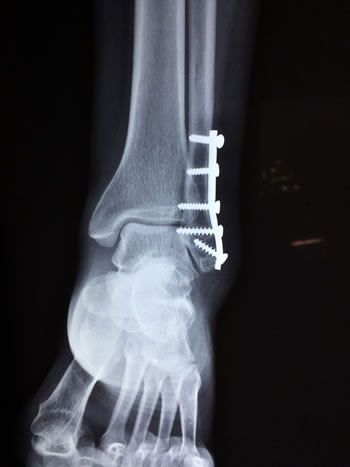 Ankle fractures are breaks in one or more of the bones that form the ankle joint, including the tibia, fibula, and talus. These injuries are commonly treated in podiatry and can range from small, stable fractures to more complex injuries involving joint displacement. Ankle fractures often occur due to twisting injuries, falls, sports-related trauma, or sudden impact. Because the ankle is essential for mobility and balance, prompt diagnosis and treatment are critical.
Symptoms of an ankle fracture typically include immediate pain, swelling, bruising, and difficulty bearing weight. The ankle may appear unstable or misaligned in more severe cases. Patients often report pain that worsens with movement and improves with rest. Without proper care, ankle fractures can lead to chronic instability, joint stiffness, and long-term complications such as arthritis.
Treatment depends on the severity and stability of the fracture. Stable fractures may be treated conservatively with rest, immobilization, and the use of a cast or walking boot to protect the joint during healing. More severe or displaced fractures may require surgical intervention to realign and stabilize the bones. A podiatrist will perform a thorough evaluation and use imaging studies to determine the most appropriate treatment plan.
If you have ankle pain or suspect a fracture, early care is essential for proper healing and recovery. It is suggested that you call our office today to schedule an evaluation and receive expert podiatric treatment tailored to your condition.
