Age gracefully and move freely with Custom Orthotics. For seniors seeking to maintain their independence, Custom Orthotics offer the stability and comfort essential for daily activities. Custom-tailored to your feet, they provide support, reduce pain, and enhance mobility, ensuring you're always on sure footing. Don't let age-related foot concerns hold you back. With Custom Orthotics, embrace every golden moment with confidence. Call today to schedule an appointment.
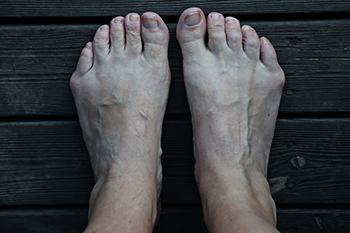
Bunions and buninettes develop when the bones in the toe area gradually shift out of alignment. A bunion, also called hallux valgus, forms when the big toe moves toward the smaller toes as the joint at the base of the big toe becomes enlarged and prominent. A buninette, also known as a tailor’s bunion, develops on the outside of the foot near the base of the little toe. Both conditions can change foot structure and may become painful without proper care.
Symptoms of bunions and buninettes often include a visible bump, swelling, redness, and tenderness around the affected joint. People may experience discomfort while walking or wearing shoes, especially narrow footwear that places pressure on the affected area. Other symptoms can include stiffness, difficulty moving the toe, and irritation caused by friction against shoes. In advanced cases, these deformities may contribute to changes in walking patterns and increased stress on other areas of the foot.
Several risk factors can contribute to the development of bunions and buninettes. Genetics often play a role because inherited foot structure, such as flat feet or abnormal joint alignment, can increase the likelihood of developing these conditions. Wearing tight, narrow, or poorly fitting shoes may place additional pressure on the toes and worsen symptoms. Other risk factors include arthritis, muscle imbalance, and activities that place repeated stress on the feet.
The causes of bunions and buninettes are often related to gradual changes in foot mechanics and alignment. Abnormal movement while walking can place uneven pressure on the toe joints, leading to progressive changes over time. Early evaluation and proper treatment can help reduce discomfort and support better foot function. Wearing supportive footwear, activity adjustments, and custom orthotics may help manage symptoms and improve comfort. If you have developed a bunion or bunionette, it is suggested that you consult a podiatrist for effective relief and management solutions.
Bunions are painful bony bumps that usually develop on the inside of the foot at the joint of the big toe. As the deformity increases over time, it may become painful to walk and wear shoes. Women are more likely to exacerbate existing bunions since they often wear tight, narrow shoes that shift their toes together. Bunion pain can be relieved by wearing wider shoes with enough room for the toes.
Causes
Genetics – some people inherit feet that are more prone to bunion development
Inflammatory Conditions - rheumatoid arthritis and polio may cause bunion development
Symptoms
Redness and inflammation
Pain and tenderness
Callus or corns on the bump
Restricted motion in the big toe
In order to diagnose your bunion, your podiatrist may ask about your medical history, symptoms, and general health. Your doctor might also order an x-ray to take a closer look at your feet. Nonsurgical treatment options include orthotics, padding, icing, changes in footwear, and medication. If nonsurgical treatments don’t alleviate your bunion pain, surgery may be necessary.
If you have any questions, please feel free to contact one of our offices located in Issaquah, WA. We offer the newest diagnostic and treatment technologies for all your foot care needs.
First-step pain is a classic symptom of unilateral plantar fasciopathy. This condition affects one foot and causes sharp discomfort with the first steps in the morning or after periods of rest. The plantar fascia is a thick, fibrous band of tissue that supports the arch and connects the heel bone to the toes. When it becomes irritated or inflamed, it leads to localized heel pain that often improves slightly with movement but can return after prolonged standing or walking. This condition is common among adults who are active, on their feet for long hours, or wearing improper footwear.
Symptoms typically include stabbing pain at the bottom of the heel, tenderness along the arch, and stiffness after inactivity. The discomfort is usually more pronounced in one foot, which distinguishes unilateral plantar fasciopathy from conditions that affect both feet. Risk factors include flat feet, high arches, obesity, and tight calf muscles. Occupations that require repetitive impact or standing may contribute. Wearing unsupportive shoes or walking barefoot on hard surfaces can worsen symptoms. Sudden increases in activity level or changes in exercise routines can also contribute to the development of this condition.
Orthotics play an important role in managing first-step pain by improving foot alignment and reducing strain on the plantar fascia. Custom orthotics help distribute pressure evenly across the foot, support the arch, and cushion the heel. By stabilizing abnormal foot mechanics, orthotics can reduce inflammation and allow the fascia to heal more effectively. They also help prevent recurrence by addressing underlying biomechanical issues, such as overpronation or uneven weight distribution.
Addressing first-step pain early can prevent chronic discomfort and long-term damage. Conservative care like stretching, wearing supportive footwear, and orthotic use often leads to significant improvement. If you have first-step pain and want to know how orthotics can help, it is suggested that you consult a podiatrist for effective relief and treatment solutions, which may include custom made orthotics.
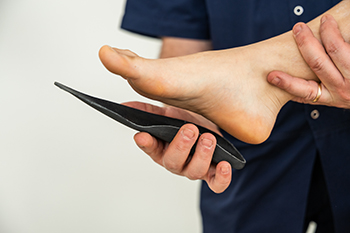
Our feet carry us through every part of life, absorbing the impact of thousands of steps each day. When they are not properly supported, the effects can extend far beyond the feet themselves. Custom orthotics provide the foundation the body needs by aligning, cushioning, and stabilizing each foot in its most natural position. They are carefully crafted to match the unique structure of each individual’s feet, allowing them to move efficiently and comfortably while reducing stress on the muscles, joints, and ligaments.
Proper foot support is essential for maintaining balance and preventing fatigue. Without it, the body compensates by shifting weight unevenly, which can lead to discomfort in the ankles, knees, hips, or lower back. Custom orthotics help restore this balance by redistributing pressure and promoting a more natural walking pattern. They not only ease existing pain but also protect against future strain or injury by supporting the arches and controlling excessive motion.
Unlike store-bought insoles, custom orthotics are created through detailed assessment and advanced technology to provide precise correction and comfort. They fit seamlessly into most shoes, making them ideal for daily wear, work, or sports.
If your feet feel tired, sore, or unsupported, it is recommended that you contact our office for more information, or to make an appointment.
If you have any questions please contact one of our offices located in Issaquah, WA.
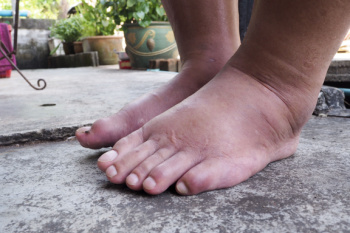
Swollen feet, also known as peripheral edema, occur when excess fluid builds up in the tissues of the lower extremities. This condition can affect one or both feet, and may develop gradually or suddenly. Common causes include prolonged sitting or standing, excess salt intake, and wearing shoes that are too small. Consuming too much liquid in a short period of time may also contribute to fluid retention in some individuals. While swelling is often temporary, it can signal an underlying issue when it persists.
Symptoms of swollen feet include visible puffiness, tight skin, and a feeling of heaviness in the lower legs. Individuals may notice difficulty fitting into shoes or indentations in the skin after pressure is applied. Discomfort, stiffness, and mild pain may also occur, especially after long periods of inactivity or standing. In some cases, swelling may worsen by the end of the day and improve with rest or elevation.
Risk factors for swollen feet include sedentary behavior, high sodium intake, and poor circulation. Individuals who sit or stand for extended periods of time may experience reduced blood flow, leading to fluid accumulation. Wearing restrictive footwear can limit circulation and increase pressure on the feet. Certain lifestyle habits and dietary patterns may further contribute to swelling, particularly when combined with limited physical activity.
Managing swollen feet involves simple but effective lifestyle changes. Elevating the feet, reducing salt intake, and choosing properly-fitted shoes can help improve circulation and reduce fluid buildup. Regular movement throughout the day also supports healthy blood flow. Recognizing the cause of swelling is important for proper care and prevention. If you have swollen feet or ankles, it is suggested that you consult a podiatrist who can determine what the cause is and offer effective relief and prevention tips.
Swollen feet can be a sign of an underlying condition. If you have any concerns, contact the podiatrists of Issaquah Foot & Ankle Specialists. Our doctors can provide the care you need to keep you pain-free and on your feet.
Swollen feet are a common ailment among pregnant women and people who stand or sit for extended periods. Aging may increase the possibility of swollen feet and patients who are obese often notice when their feet are swelling too. There may be medical reasons why swollen feet occur:
Phlebitis - A condition that causes the veins to become inflamed and can also cause leg pain.
Liver disease - This may lead to low blood levels of albumin which is a protein. This can cause fluid in the blood to pass into the tissues and several areas of the body can become swollen.
Heart failure - When the heart doesn’t pump properly the blood that is normally pumped back to the heart can pool in the veins of the legs causing swollen feet.
Kidney disease - One of the main functions of the kidneys is releasing excess fluid in the body. This type of condition can make it difficult for the kidneys to function properly, and as a result the feet may become swollen.
Deep-vein thrombosis (DVT)- This is a serious condition where blood clots form in the veins of the legs. They can block the return of blood from the legs to the heart which may cause the feet to swell. It is important to be treated by a podiatrist if this condition is present.
Swollen feet can also be caused by bone and tendon conditions, including fractures, arthritis, and tendinitis. Additionally, there may be skin and toenail conditions and an infection may cause the feet to swell. Patients who take medicine to treat high blood pressure may be prone to getting swollen feet.
Many patients elevate their feet to help relieve the swelling and this is generally a temporary remedy. When a podiatrist is consulted the reason behind the swelling can be uncovered and subsequently treated.
If you have any questions please contact one of our offices located in Issaquah, WA. We offer the newest diagnostic and treatment technologies for all your foot and ankle needs.
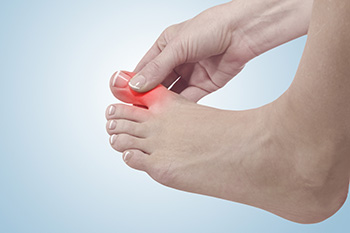
Pain in the big toe can affect mobility and daily comfort. The big toe plays an essential role in balance and push off during walking, so even mild discomfort can become disruptive. Several conditions may cause this pain including injury, bunions, and gout. Identifying the underlying cause is important for effective treatment and long-term relief.
Injuries are among the most frequent causes of big toe pain, with stubbing the toe being the most common. This can lead to bruising, swelling, and sharp pain. Osteoarthritis develops over time as cartilage wears down resulting in stiffness, aching, and reduced joint movement. Bunions cause a visible deformity where the toe shifts toward the second toe, leading to joint pain and inflamed skin. Gout is a form of inflammatory arthritis that causes sudden intense pain, redness, and swelling due to uric acid buildup in the joint.
Symptoms vary depending on the cause, but often include tenderness, swelling, and difficulty bearing weight. Injury-related pain is usually immediate, while osteoarthritis causes gradual discomfort. Bunions may lead to chronic irritation, and gout often presents with sudden severe pain that can wake individuals at night. Recognizing these patterns can help guide appropriate care and prevent worsening symptoms.
Risk factors include wearing poor footwear, repetitive stress, and underlying medical conditions such as arthritis or gout. Early evaluation can prevent progression and improve function. Supportive shoes and proper foot care can reduce strain on the big toe joint. If you have pain in your big toe, it is suggested that you consult a podiatrist for an accurate diagnosis and appropriate treatment.
Toe pain can disrupt your daily activities. If you have any concerns, contact the podiatrists of Issaquah Foot & Ankle Specialists. Our doctors can provide the care you need to keep you pain-free and on your feet.
What Causes Toe Pain?
Most severe toe pain is caused due to a sports injury, trauma from dropping something heavy on the toe, or bumping into something rigid. Other problems can develop over time for various reasons.
Toe pain can be caused by one or more ailments. The most common include:
Trauma
Sports injury
Wearing shoes that are too tight
Arthritis
Gout
Corns and calluses
Hammertoe
Bunions
Blisters
Ingrown toenails
Sprains
Fractures (broken bones)
Dislocations
When to See a Podiatrist
Severe pain
Persistent pain that lasts more than a week
Signs of infection
Continued swelling
Pain that prevents walking
Diagnosis
In many cases the cause of toe pain is obvious, but in others, a podiatrist may want to use more advanced methods to determine the problem. These can range from simple visual inspections and sensation tests to X-rays and MRI scans. Prior medical history, family medical history, and any recent physical traumatic events will all be taken into consideration for a proper diagnosis.
Treatment
Treatments for toe pain and injuries vary and may include shoe inserts, padding, taping, medicines, injections, and in some cases, surgery. If you believe that you have broken a toe, please see a podiatrist as soon as possible.
If you have any questions please contact one of our offices located in Issaquah, WA. We offer the newest diagnostic and treatment technologies for all your foot and ankle needs.
Gout is a painful, inflammatory form of arthritis. Those affected will typically feel an intense stiffness in the joints of their feet, particularly in the big toe. Schedule a visit to learn about how gout can be managed and treated.
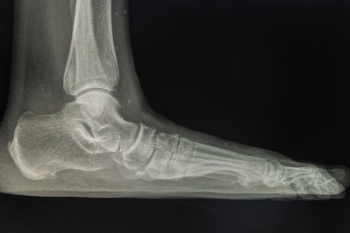
Flat feet develop when the arches of the feet are lower than expected, or do not form fully. Some people are born with flat feet, while others develop them later because of aging, injury, or changes in the tendons that support the arch. Tendons are strong bands of tissue that connect muscles to bones. Many people with flat feet have no symptoms, but others experience pain in the feet, ankles, or lower legs. Some also notice swelling along the inside of the ankle or fatigue after standing for long periods of time. Changes in foot alignment can affect the way weight is distributed while walking and place extra stress on nearby joints. A podiatrist can evaluate the feet and determine whether flat feet are contributing to these symptoms.
Several factors can increase the chance of developing flat feet or make existing symptoms worse. Age-related changes can weaken the tendons that support the arch. Excess body weight can place additional stress on the feet and ankles. Certain medical conditions, like arthritis or diabetes, can also affect foot structure and function. Previous injuries sometimes change the way the foot moves and lead to arch problems. A podiatrist performs a thorough examination that includes evaluating foot alignment, joint movement, and walking patterns. Imaging studies are sometimes recommended to better understand the condition and identify damage affecting the bones or soft tissues.
Treatment depends on the cause of the flat feet and the severity of the symptoms. A podiatrist can recommend custom orthotics that improve foot alignment and provide better support while walking. Orthotics are specially designed shoe inserts that help distribute pressure more evenly across the feet. Patients also benefit from personalized exercises that strengthen the muscles supporting the arches and improve flexibility. Early evaluation can improve comfort, reduce strain on the feet, and help patients stay active. If you have of flat feet, it is suggested that you schedule an appointment with a podiatrist for effective management tips.
Flatfoot is a condition in which the arch of the foot is depressed and the sole of the foot is almost completely in contact with the ground. About 20-30% of the population generally has flat feet because their arches never formed during growth.
Conditions & Problems:
Having flat feet makes it difficult to run or walk because of the stress placed on the ankles.
Alignment – The general alignment of your legs can be disrupted, because the ankles move inward which can cause major discomfort.
Knees – If you have complications with your knees, flat feet can be a contributor to arthritis in that area.
Symptoms
Pain around the heel or arch area
Trouble standing on the tip toe
Swelling around the inside of the ankle
Flat look to one or both feet
Having your shoes feel uneven when worn
Treatment
If you are experiencing pain and stress on the foot you may weaken the posterior tibial tendon, which runs around the inside of the ankle.
If you have any questions, please feel free to contact one of our offices located in Issaquah, WA. We offer the newest diagnostic and treatment technologies for all your foot care needs.
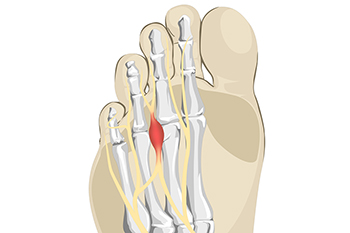
Morton's neuroma affects nerves between the toes, most often between the third and fourth, causing irritation and thickening of surrounding tissue. This leads to nerve compression and discomfort in the ball of the foot. Metatarsalgia is a related condition that involves inflammation and pain in the forefoot, particularly under the metatarsal heads. Both conditions are commonly linked to repetitive pressure and biomechanical stress. They are more prevalent in women, often due to footwear choices that place increased strain on the forefoot. Understanding these conditions helps individuals recognize symptoms early and seek appropriate care.
Symptoms of Morton's neuroma include burning pain, tingling, and numbness that may extend into the toes. Many people describe the sensation as walking on a small object inside the shoe. Metatarsalgia presents as aching pain, tenderness, and increased discomfort with standing or walking. Swelling and a feeling of bruising under the ball of the foot are also common. These symptoms may worsen during activity and improve with rest. Early recognition is important to prevent progression and reduce the impact on mobility and daily function.
Risk factors for these conditions include high-heeled or narrow footwear, repetitive impact activities, and foot structure abnormalities like high arches or flat feet. Obesity increases pressure on the forefoot, contributing to tissue stress and inflammation. Tight calf muscles and poor shock absorption can also lead to excessive force on the metatarsal region. Common causes of metatarsalgia include overuse, improper footwear, and uneven weight distribution when walking or running. These factors create ongoing stress that leads to irritation and pain in the forefoot.
Managing these conditions involves reducing pressure on the forefoot through proper footwear, cushioning, and orthotic support. Activity modification and targeted exercises may help improve foot mechanics and relieve symptoms. Early treatment leads to better outcomes and reduces the likelihood of chronic pain. If you have Morton’s neuroma, it is suggested that you consult a podiatrist for effective treatment to restore comfort and improve foot function.
Morton’s neuroma is a very uncomfortable condition to live with. If you think you have Morton’s neuroma, contact the podiatrists of Issaquah Foot & Ankle Specialists. Our doctors will attend to all of your foot care needs and answer any of your related questions.
Morton’s Neuroma
Morton's neuroma is a painful foot condition that commonly affects the areas between the second and third or third and fourth toe, although other areas of the foot are also susceptible. Morton’s neuroma is caused by an inflamed nerve in the foot that is being squeezed and aggravated by surrounding bones.
What Increases the Chances of Having Morton’s Neuroma?
Ill-fitting high heels or shoes that add pressure to the toe or foot
Jogging, running or any sport that involves constant impact to the foot
Flat feet, bunions, and any other foot deformities
Morton’s neuroma is a very treatable condition. Orthotics and shoe inserts can often be used to alleviate the pain on the forefront of the feet. In more severe cases, corticosteroids can also be prescribed. In order to figure out the best treatment for your neuroma, it’s recommended to seek the care of a podiatrist who can diagnose your condition and provide different treatment options.
If you have any questions, please feel free to contact one of our offices located in Issaquah, WA. We offer the newest diagnostic and treatment technologies for all your foot care needs.
Flat feet? Rise above the discomfort with Custom Orthotics. Specifically designed to support the arch and align the foot, Custom Orthotics can be a game-changer for those with flat feet. They help in distributing weight evenly, preventing undue stress and potential pain. Walk, run, or stand with newfound confidence, knowing your feet have the support they've been missing. Want to explore the benefits of Custom Orthotics tailored for flat feet? Contact us today!
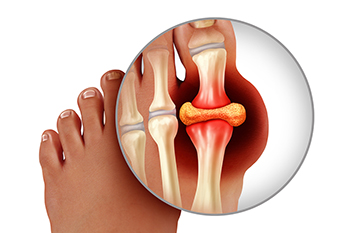
Gout is a form of inflammatory arthritis that frequently affects the foot, most commonly the big toe joint. It may also involve the midfoot, ankle, or other joints. Gout develops when uric acid accumulates in the bloodstream and forms sharp crystals within a joint. These crystals irritate surrounding tissues and trigger sudden, intense inflammation. Symptoms often begin quickly, sometimes during the night, and include severe pain, redness, warmth, and noticeable swelling. The affected joint may become extremely tender, and even light pressure from bedding or footwear can cause significant discomfort. Many people describe the pain as sharp, throbbing, and difficult to ignore.
Gout occurs when the body either produces too much uric acid or is unable to eliminate it effectively through the kidneys. Diet can contribute to this imbalance, particularly with foods high in purines like red meat, shellfish, and organ meats. In contrast, a balanced diet that includes low-fat dairy products, fresh fruits, vegetables, and whole grains may help support overall health. Additional risk factors include family history, obesity, dehydration, and certain medications. Underlying conditions like kidney disease or metabolic disorders may also be factors. Without appropriate care, gout attacks may become more frequent, last longer, and begin to affect multiple joints. This can potentially lead to long-term joint damage.
A podiatrist plays an important role in diagnosing and managing gout. Through an exam, imaging, and laboratory testing, they can confirm the condition and rule out other causes of joint pain. Treatment may include medications to reduce inflammation, relieve pain, and help regulate uric acid levels. A podiatrist can also provide ongoing monitoring of joints and further guidance to prevent future flare-ups and protect mobility. If you are experiencing symptoms of gout, it is strongly suggested that you consult a podiatrist for a proper evaluation and personalized care.
Gout is a foot condition that requires certain treatment and care. If you are seeking treatment, contact the podiatrists from Issaquah Foot & Ankle Specialists. Our doctors will treat your foot and ankle needs.
What Is Gout?
Gout is a type of arthritis caused by a buildup of uric acid in the bloodstream. It often develops in the foot, especially the big toe area, although it can manifest in other parts of the body as well. Gout can make walking and standing very painful and is especially common in diabetics and the obese.
People typically get gout because of a poor diet. Genetic predisposition is also a factor. The children of parents who have had gout frequently have a chance of developing it themselves.
Gout can easily be identified by redness and inflammation of the big toe and the surrounding areas of the foot. Other symptoms include extreme fatigue, joint pain, and running high fevers. Sometimes corticosteroid drugs can be prescribed to treat gout, but the best way to combat this disease is to get more exercise and eat a better diet.
If you have any questions, please feel free to contact one of our offices located in Issaquah, WA. We offer the newest diagnostic and treatment technologies for all your foot care needs.