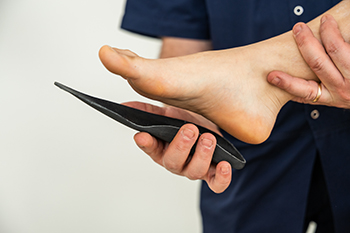
Reducing Pain From Leg Length Discrepancy With Orthotics

A mild leg length discrepancy can affect walking patterns, posture, and joint alignment, often leading to discomfort in the feet, knees, hips, or lower back. Over time, the uneven gait may cause strain and imbalance throughout the body. Foot orthotics can help by correcting alignment and providing lift or support to the shorter limb, promoting a more balanced and efficient stride. A podiatrist can measure the discrepancy, evaluate how it affects movement, and design custom orthotics to improve function and reduce pain. If you notice uneven wear on shoes or experience discomfort during walking, it is suggested that you visit a podiatrist to explore how orthotic support can enhance your gait and overall comfort.

Custom orthotics are specialized shoe inserts created to support and align the feet according to each person’s unique structure and walking pattern. They are an effective way to relieve foot discomfort caused by conditions such as flat feet, high arches, plantar fasciitis, bunions, and heel pain. When the natural alignment of the foot is off balance, it can lead to pressure points, strain, and pain that affect how a person stands, walks, and moves. Orthotics work by redistributing weight evenly and supporting the arch to reduce stress on the muscles, tendons, and joints of the feet and lower legs.

Foot discomfort can develop for many reasons, including wearing improper footwear, long hours of standing, repetitive motion, or underlying structural problems. Over time, this discomfort can extend beyond the feet, contributing to knee, hip, or lower back pain. Custom orthotics help correct these issues by improving alignment and promoting more efficient movement. They are made using precise measurements and imaging to ensure the best fit for each patient, providing targeted support and cushioning where it is needed most.

Unlike generic insoles, custom orthotics are durable, medically designed, and tailored to your specific needs. Whether you are managing chronic pain, recovering from an injury, or simply seeking better comfort and stability, orthotics can make a noticeable difference in how your feet feel throughout the day.

If you are experiencing persistent foot discomfort or fatigue, it may be time to have your feet evaluated by a podiatrist. Call our office today for more information or to schedule an appointment.

If you have any questions, please feel free to contact one of our offices located in Issaquah, WA . 

Read more about Investing in Custom Orthotics Means Investing in Foot Health

Foot Problems in Older Adults May Signal Frailty

As people age, foot problems can become more common and may signal broader issues related to frailty. Thickened toenails, bunions, loss of cushioning, and poor circulation can lead to discomfort, instability, and reduced activity. These issues are not just a nuisance, they may contribute to falls, loss of independence, and slower recovery from illness or injury. In some cases, pain or deformities in the feet can lead to an uneven gait, making daily movement more difficult. Skin changes, decreased muscle strength, and balance issues often appear alongside these foot concerns. Addressing foot health early can improve mobility and overall well-being. If you or someone you care for is experiencing new or worsening foot problems, it is suggested that you consult a podiatrist to help maintain comfort, stability, and quality of life.

Proper foot care is something many older adults forget to consider. If you have any concerns about your feet and ankles, contact the podiatrists from Issaquah Foot & Ankle Specialists. Our doctors can provide the care you need to keep you pain-free and on your feet.

The Elderly and Their Feet

As we age we start to notice many changes in our body, but the elder population may not notice them right away. Medical conditions may prevent the elderly to take notice of their foot health right away. Poor vision is a lead contributor to not taking action for the elderly.

Common Conditions 

  • Neuropathy – can reduce feeling in the feet and can hide many life-threatening medical conditions.
  • Reduced flexibility – prevents the ability of proper toenail trimming, and foot cleaning. If left untreated, it may lead to further medical issues.
  • Foot sores – amongst the older population can be serious before they are discovered. Some of the problematic conditions they may face are:
  • Gouging toenails affecting nearby toe
  • Shoes that don’t fit properly
  • Pressure sores
  • Loss of circulation in legs & feet
  • Edema & swelling of feet and ankles

Susceptible Infections

Diabetes and poor circulation can cause general loss of sensitivity over the years, turning a simple cut into a serious issue.

If you have any questions, please feel free to contact one of our offices located in Issaquah, WA . We offer the newest diagnostic and treatment technologies for all your foot care needs.

Read more about Elderly and their Feet

Considering Bunion Surgery?

Bunions are more than just a cosmetic issue, they can cause severe pain that limits daily activities. This foot deformity often results from genetic factors, arthritis, or wearing tight, narrow shoes. Symptoms include chronic inflammation, stiffness, and a noticeable bump at the base of the big toe. Beyond the typical pain and swelling, bunions can lead to difficulty walking, finding comfortable footwear, and even changes in foot structure that affect balance. When pain becomes severe and conservative treatments no longer provide relief, bunion surgery may be necessary. A podiatrist will assess the structural irregularity and recommend the best surgical approach to realign the toe and reduce pain. Surgery is often medically necessary due to chronic inflammation, stiffness, and impaired function. Postoperative care and rehabilitation from your podiatrist help ensure a successful recovery. If you have a bunion that has become painful, it is suggested that you schedule an appointment with a podiatrist for relief and treatment solutions.

If you are suffering from bunions, contact the podiatrists of Issaquah Foot & Ankle Specialists. Our doctors can provide the care you need to keep you pain-free and on your feet.

What Is a Bunion?

A bunion is formed of swollen tissue or an enlargement of boney growth, usually located at the base joint of the toe that connects to the foot. The swelling occurs due to the bones in the big toe shifting inward, which impacts the other toes of the foot. This causes the area around the base of the big toe to become inflamed and painful.

Why Do Bunions Form?

Genetics – Susceptibility to bunions are often hereditary

Stress on the feet – Poorly fitted and uncomfortable footwear that places stress on feet, such as heels, can worsen existing bunions

How Are Bunions Diagnosed?

Podiatrists often perform two tests – blood tests and x-rays – when trying to diagnose bunions, especially in the early stages of development. Blood tests help determine if the foot pain is being caused by something else, such as arthritis, while x-rays provide a clear picture of your bone structure to your provider.

How Are Bunions Treated?

  • Refrain from wearing heels or similar shoes that cause discomfort
  • Select wider shoes that can provide more comfort and reduce pain
  • Anti-inflammatory and pain management drugs
  • Orthotics or foot inserts
  • Surgery

If you have any questions, please feel free to contact one of our offices located in Issaquah, WA . We offer the newest diagnostic and treatment technologies for all your foot care needs.

Read more about What Are Bunions?

Let the Expert Treat Your Ingrown Toenails

Ingrown toenails can be painful and can make wearing shoes or walking uncomfortable. Seek professional help if you believe you've developed an ingrown toenail and be treated safely. 

How Diabetic Foot Ulcers Impact Quality of Life

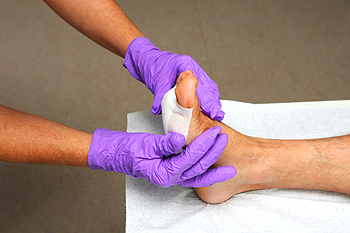
Diabetic foot ulcers are open wounds or sores that often develop on the feet of diabetics, especially those with poor circulation or nerve damage, called neuropathy. These ulcers often form due to minor injuries that go unnoticed, as reduced sensation can prevent patients from feeling pain or pressure. Symptoms include redness, swelling, drainage, or foul odor. The ulcer may appear as an open sore with surrounding skin discoloration. Without treatment, these wounds can worsen, leading to infection or even loss of limb. Living with a diabetic foot ulcer can severely affect mobility, independence, and emotional well-being. A podiatrist plays a critical role in managing and preventing these ulcers. Treatment includes wound care, offloading pressure with custom footwear or braces, and debridement to remove dead tissue. If you are dealing with this serious issue, it is suggested that you make an appointment with a podiatrist to manage your care.

Wound care is an important part in dealing with diabetes. If you have diabetes and a foot wound or would like more information about wound care for diabetics, consult with the podiatrists from Issaquah Foot & Ankle Specialists. Our doctors will assess your condition and provide you with quality foot and ankle treatment.

What Is Wound Care?

Wound care is the practice of taking proper care of a wound. This can range from the smallest to the largest of wounds. While everyone can benefit from proper wound care, it is much more important for diabetics. Diabetics often suffer from poor blood circulation which causes wounds to heal much slower than they would in a non-diabetic. 

What Is the Importance of Wound Care?

While it may not seem apparent with small ulcers on the foot, for diabetics, any size ulcer can become infected. Diabetics often also suffer from neuropathy, or nerve loss. This means they might not even feel when they have an ulcer on their foot. If the wound becomes severely infected, amputation may be necessary. Therefore, it is of the upmost importance to properly care for any and all foot wounds.

How to Care for Wounds

The best way to care for foot wounds is to prevent them. For diabetics, this means daily inspections of the feet for any signs of abnormalities or ulcers. It is also recommended to see a podiatrist several times a year for a foot inspection. If you do have an ulcer, run the wound under water to clear dirt from the wound; then apply antibiotic ointment to the wound and cover with a bandage. Bandages should be changed daily and keeping pressure off the wound is smart. It is advised to see a podiatrist, who can keep an eye on it.

If you have any questions please contact one of our offices located in Issaquah, WA . We offer the newest diagnostic and treatment technologies for all your foot and ankle needs.

Read more about Wound Care

Understanding the Achilles Tendon

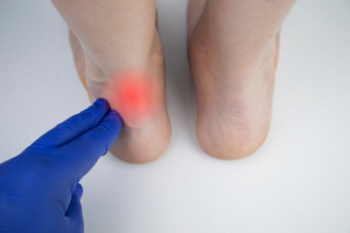
The Achilles tendon is the thick band of tissue that connects the calf muscles to the heel bone. It plays a key role in walking, running, and jumping by allowing the foot to push off the ground. Located at the back of the lower leg, it is the strongest tendon in the body, yet it is still vulnerable to injury. Tight calf muscles, poor footwear, or sudden increases in activity can place too much strain on this tendon. Common issues include inflammation, known as tendonitis, or small tears that can worsen over time. In more severe cases, the tendon may rupture, causing sharp pain and difficulty walking. Early care can prevent further damage and improve healing. If you are experiencing stiffness, swelling, or pain along the back of your leg near the heel, it is suggested that you see a podiatrist for evaluation and appropriate care.

Achilles tendon injuries need immediate attention to avoid future complications. If you have any concerns, contact the podiatrists of Issaquah Foot & Ankle Specialists. Our doctors can provide the care you need to keep you pain-free and on your feet.

What Is the Achilles Tendon?

The Achilles tendon is a tendon that connects the lower leg muscles and calf to the heel of the foot. It is the strongest tendon in the human body and is essential for making movement possible. Because this tendon is such an integral part of the body, any injuries to it can create immense difficulties and should immediately be presented to a doctor.

What Are the Symptoms of an Achilles Tendon Injury?

There are various types of injuries that can affect the Achilles tendon. The two most common injuries are Achilles tendinitis and ruptures of the tendon.

Achilles Tendinitis Symptoms

  • Inflammation
  • Dull to severe pain
  • Increased blood flow to the tendon
  • Thickening of the tendon

Rupture Symptoms

  • Extreme pain and swelling in the foot
  • Total immobility

Treatment and Prevention

Achilles tendon injuries are diagnosed by a thorough physical evaluation, which can include an MRI. Treatment involves rest, physical therapy, and in some cases, surgery. However, various preventative measures can be taken to avoid these injuries, such as:

  • Thorough stretching of the tendon before and after exercise
  • Strengthening exercises like calf raises, squats, leg curls, leg extensions, leg raises, lunges, and leg presses

If you have any questions please feel free to contact one of our offices located in Issaquah, WA . We offer the newest diagnostic tools and technology to treat your foot and ankle needs.

Read more about Achilles Tendon Injuries

Custom Orthotics For Foot and Heel Pain

Step into relief and reclaim your mobility! Foot and heel pain can be a thing of the past with the right Custom Orthotics. Customized to your unique foot structure, they provide the support and alignment needed to alleviate discomfort. Whether you're walking, running, or simply standing, Custom Orthotics ensure every step is cushioned and pain-free. Don't let foot ailments dictate your day. With Custom Orthotics, embrace a world of comfort and freedom. Call today to schedule an appointment.

Why Are My Feet Swollen?

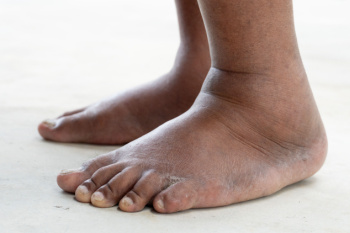
Swollen feet can be uncomfortable and concerning. Common causes include standing or sitting for long periods, pregnancy, or wearing ill-fitting shoes. However, swelling may also be a sign of underlying medical conditions, such as heart failure, kidney disease, lymphedema, or venous insufficiency. Symptoms include puffiness, skin tightness, or difficulty walking. A podiatrist can assess the cause of the swelling with a thorough examination and help manage it with proper footwear, compression therapy, or referrals to other specialists, if needed. Early treatment is essential to prevent complications. If you are experiencing persistent or painful foot swelling, it is suggested that you schedule an appointment with a podiatrist who can offer appropriate treatment solutions.

Swollen feet can be a sign of an underlying condition. If you have any concerns, contact the podiatrists of Issaquah Foot & Ankle Specialists. Our doctors can provide the care you need to keep you pain-free and on your feet.

Swollen feet are a common ailment among pregnant women and people who stand or sit for extended periods. Aging may increase the possibility of swollen feet and patients who are obese often notice when their feet are swelling too. There may be medical reasons why swollen feet occur:

  • Phlebitis - A condition that causes the veins to become inflamed and can also cause leg pain.
  • Liver disease - This may lead to low blood levels of albumin which is a protein. This can cause fluid in the blood to pass into the tissues and several areas of the body can become swollen.
  • Heart failure - When the heart doesn’t pump properly the blood that is normally pumped back to the heart can pool in the veins of the legs causing swollen feet.
  • Kidney disease - One of the main functions of the kidneys is releasing excess fluid in the body. This type of condition can make it difficult for the kidneys to function properly, and as a result the feet may become swollen.
  • Deep-vein thrombosis (DVT)- This is a serious condition where blood clots form in the veins of the legs. They can block the return of blood from the legs to the heart which may cause the feet to swell. It is important to be treated by a podiatrist if this condition is present.

Swollen feet can also be caused by bone and tendon conditions, including fractures, arthritis, and tendinitis. Additionally, there may be skin and toenail conditions and an infection may cause the feet to swell. Patients who take medicine to treat high blood pressure may be prone to getting swollen feet. 

Many patients elevate their feet to help relieve the swelling and this is generally a temporary remedy. When a podiatrist is consulted the reason behind the swelling can be uncovered and subsequently treated.

If you have any questions please contact one of our offices located in Issaquah, WA . We offer the newest diagnostic and treatment technologies for all your foot and ankle needs.

Read more about Swelling of the Feet

Flat Feet in Children May Benefit From Early Support

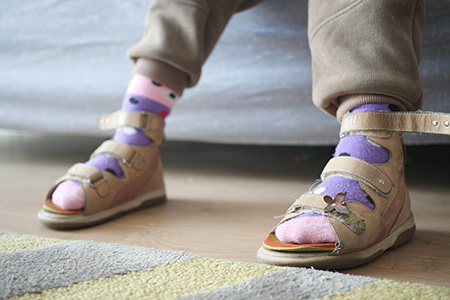
Flat feet, also known as pes planus, are common in children and often resolve as the arches develop with age. In some cases, however, the arch remains low or absent, which may lead to pain or discomfort during activity. Children with flat feet might experience tired legs, an awkward gait, or reluctance to participate in sports. While many cases are flexible and do not cause problems, some may require intervention to avoid future complications. Custom foot orthotics are often recommended to support the arch, improve foot alignment, and reduce strain on muscles and joints. These devices fit inside the child’s shoes and are designed to provide comfort while walking, running, or standing for long periods of time. Wearing supportive shoes with firm soles and structured heels is also helpful. If your child is experiencing foot pain, fatigue, or changes in walking patterns, it is suggested that you schedule an appointment with a podiatrist for a diagnosis and appropriate treatment.

Custom orthotics can be an important solution for reducing foot pain by targeting its structural causes rather than just the symptoms. When the feet are misaligned, excess strain develops in the muscles, tendons, and ligaments, often resulting in discomfort in the arches, balls of the feet, or toes. Orthotics are designed to match each foot’s natural shape, supporting proper alignment and evenly distributing pressure to ease pain and improve movement.

Foot pain is commonly caused by overuse, wearing improper footwear, or biomechanical issues that place added stress on sensitive areas. By stabilizing the foot and restoring natural motion, custom orthotics help reduce strain, calm inflammation, and promote healing. Many patients experience lasting relief and greater comfort while walking, standing, or exercising.

Created from a detailed assessment using advanced imaging or casting, each pair of orthotics is tailored to your individual needs. If you are experiencing ongoing foot pain, it is suggested that you contact our office for an evaluation and treatment.

If you have any questions, please feel free to contact one of our offices located in Issaquah, WA .


Read more about Investing in Custom Orthotics Means Investing in Foot Health

Muscle and Joint Problems in the Foot and Ankle

The feet and ankles are made up of many moving parts that work together to support your body. When muscles, joints, or connective tissues are strained or injured, pain and limited movement often follow. Conditions such as joint wear, strained tendons, or soft tissue injuries can develop from overuse, misalignment, or previous trauma. These problems may cause swelling, stiffness, or difficulty standing and walking comfortably. A complete evaluation, which may include movement testing or imaging, helps identify the exact source of discomfort. Care plans are often tailored and may involve supportive inserts, specific exercises, or bracing. If pain does not improve, further options such as guided injections or surgery may be discussed. Addressing the issue early may help avoid worsening symptoms or additional strain on other areas. If your foot or ankle is causing persistent pain or limiting your activity, it is suggested that you see a podiatrist for a diagnosis and appropriate treatment.

Foot and ankle trauma is common among athletes and the elderly. If you have concerns that you may have experienced trauma to the foot and ankle, consult with the podiatrists from Issaquah Foot & Ankle Specialists. Our doctors will assess your condition and provide you with quality foot and ankle treatment.

Foot and ankle trauma cover a range of injuries all over the foot; common injuries include:

  • Broken bones
  • Muscle strains
  • Injuries to the tendons and ligaments
  • Stress fractures

Symptoms

Symptoms of foot and ankle injuries vary depending on the injury, but more common ones include:

  • Bruising
  • Inflammation/ Swelling
  • Pain

Diagnosis

To properly diagnose the exact type of injury, podiatrists will conduct a number of different tests. Some of these include sensation and visual tests, X-rays, and MRIs. Medical and family histories will also be taken into account.

Treatment

Once the injury has been diagnosed, the podiatrist can than offer the best treatment options for you. In less severe cases, rest and keeping pressure off the foot may be all that’s necessary. Orthotics, such as a specially made shoes, or immobilization devices, like splints or casts, may be deemed necessary. Finally, if the injury is severe enough, surgery may be necessary.

If you have any questions, please feel free to contact one of our offices located in Issaquah, WA . We offer the newest diagnostic and treatment technologies for all your foot care needs.

Read more about Foot and Ankle Trauma

Blog Archives

MAKE YOUR APPOINTMENT TODAY

Book Online Request Appointment