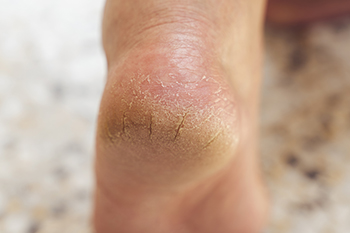
Healing Cracked Heels and Fissures for Healthy Feet

Cracked heels, also known as heel fissures, occur when the skin on the heels becomes dry, thickened, and splits, often caused by obesity, excessive pressure, or underlying conditions like eczema. The heels may look rough, dry, and sometimes develop deep cracks, or fissures. In severe cases, bleeding or infection can set in. Many individuals experience pain, burning, or itching, especially when walking or standing for extended periods. In some cases, heel fissures can worsen during dry seasons or with frequent exposure to open footwear, increasing the risk of discomfort and infection. A podiatrist can assess the severity of the heel fissures, examine the skin condition, and recommend treatments. Included are professional debridement, moisturizing therapies, protective dressings, and guidance on footwear or pressure relief techniques. Early intervention promotes healing, reduces pain, and prevents complications. If you notice persistent dryness, cracking, or discomfort in your heels, it is suggested that you make an appointment with a podiatrist.

If the skin on your feet starts to crack, you may want to see a podiatrist to find treatment. If you have any concerns, contact the podiatrists from Issaquah Foot & Ankle Specialists. Our doctors can provide the care you need to keep you pain-free and on your feet.

Cracked Heels

It is important to moisturize your cracked heels in order to prevent pain, bleeding, and infection. The reason cracked heels form is because the skin on the foot is too dry to support the immense pressure placed on them. When the foot expands, the dry skin on the foot begins to split.

Ways to Help Heal Them

  • Invest in a good foot cream
  • Try Using Petroleum Jelly
  • Ease up on Soaps
  • Drink Plenty of Water

Ways to Prevent Cracked Heels

  • Moisturize After Showering
  • Skip a Shower
  • Keep Shower Water Lukewarm
  • Don’t Scrub Your Feet

If you are unsure how to proceed in treating cracked heels, seek guidance from a podiatrist. Your doctor will help you with any questions or information you may need. 

If you have any questions, please feel free to contact one of our offices located in Issaquah, WA . We offer the newest diagnostic and treatment technologies for all your foot care needs.

Read more about Solutions for Cracked Heels

Two Classifications of Corns

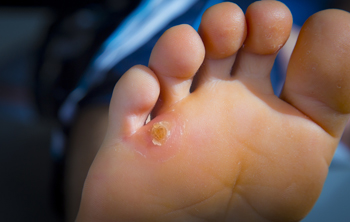
A corn is a thickened portion of skin that is made of keratin, and is caused by repeated friction. A corn can develop between the toes or on the bottom of the feet and can cause severe pain and discomfort. There are two types of corn classifications: hard and soft corns. Corns that are found between the toes are considered to be soft, and corns that form on the bottom of the feet are hardened as a result of the pressure they endure from walking and standing. There are some patients who find that they have corns on the outside of their pinky toe, and this generally comes from wearing shoes that do not have adequate room for the toes to move freely in. If you have corns anywhere on your feet, please consult with a podiatrist who can effectively treat this condition.

If you have any concerns regarding your feet and ankles, contact the podiatrists of Issaquah Foot & Ankle Specialists. Our doctors will treat your foot and ankle needs.

Corns: What Are They? and How Do You Get Rid of Them?
Corns can be described as areas of the skin that have thickened to the point of becoming painful or irritating. They are often layers and layers of the skin that have become dry and rough, and are normally smaller than calluses.

Ways to Prevent Corns
There are many ways to get rid of painful corns such as wearing:

  • Well-fitting socks
  • Comfortable shoes that are not tight around your foot
  • Shoes that offer support

Treating Corns
Treatment of corns involves removing the dead skin that has built up in the specific area of the foot. Consult with Our doctors to determine the best treatment option for your case of corns.

If you have any questions, please feel free to contact one of our offices located in Issaquah, WA . We offer the newest diagnostic and treatment technologies for all your foot care needs.

Read more about Everything You Need to Know About Corns

Custom Orthotics Provide Relief From Heel Pain

Experiencing persistent heel pain? Custom Orthotics might be your solution. These custom-designed shoe inserts adapt to your unique foot structure, optimizing support and alleviating discomfort. By redistributing pressure, they can significantly reduce heel pain, enhancing your daily mobility. Dive into a pain-free lifestyle and elevate your walking experience. Curious about the benefits of Custom Orthotics?

Contact our office today.

Choosing the Right Shoes for Restaurant Work

Restaurant work requires long hours on your feet, making the right shoes essential for comfort and safety. Wearing proper footwear helps reduce fatigue, improve posture, and protect against slips and falls in fast-paced environments. Shoes designed for restaurant work should offer good support to cushion the feet and reduce stress on the ankles and knees. Durability is also important, since shoes must withstand constant movement, spills, and repeated cleaning. Additionally, a  good grip on the sole helps prevent slipping on wet or greasy floors, which is a common workplace hazard. Wearing poor footwear can lead to foot pain, heel discomfort, and long-term problems. A podiatrist can evaluate your foot structure, work demands, and pain concerns to recommend supportive shoes or custom orthotics. If foot pain is affecting your job performance, it is suggested that you consult a podiatrist who can treat various foot and ankle conditions, and guide you on appropriate shoes to wear for your workday.

While working on the feet, it is important to take the proper care of them. For more information about working on your feet, contact the podiatrists from Issaquah Foot & Ankle Specialists. Our doctors will treat your foot and ankle needs.

Working on Your Feet

Standing on your feet for long periods of time can cause stress and pain in your feet. Your whole body may experience change in terms of posture, back pain, bunions, callouses and or plantar warts. There are ways to avoid these conditions with proper foot care, smart choices and correct posture.

Positive Changes

Negative heeled shoe – Choosing this shoe type places the heel slightly lower than the ball of the foot. These are great for overall foot health. Find shoes that fit you correctly.

Go barefoot – Our feet were not designed to be enclosed for all hours of the day. Try to periodically expose your feet to air.

Eliminate Pain

Foot Exercises – Performing simple exercises, incorporating yoga and doing stretches are beneficial. This will allow increased blood flow to the area and muscles of the foot.

Achilles tendon – Stretching the foot out flat on the floor will relax the calf muscles and tendon. These exercises can be performed almost anywhere. Make sure you add these exercises to your daily regimen. 

With a little bit of this information and knowing more about foot health, you will notice changes. Foot stretches and proper footwear will help with pain and prevent further issues.

If you have any questions please contact one of our offices located in Issaquah, WA . We offer the newest diagnostic and treatment technologies for all your foot and ankle needs.

Read more about Working on Your Feet

Foot Orthotics and Malalignment Syndrome

Foot orthotics play an important role in improving gait patterns in patients with malalignment syndrome, a condition where improper alignment of the feet and lower limbs affects movement and posture. When the feet do not function correctly, abnormal forces travel through the ankles, knees, hips, and lower back, leading to pain and inefficient walking. Advanced three dimensional gait analysis allows detailed evaluation of how the body moves during walking, identifying imbalances, joint stress, and abnormal motion patterns. Using this information, a podiatrist can design custom orthotics that support proper alignment, improve stability, and enhance movement efficiency. If you have recurring pain, poor balance, or abnormal walking patterns, it is suggested that you schedule a podiatry consultation to explore gait analysis and personalized orthotic solutions for improved comfort.

Custom orthotics are specialized shoe inserts created to support and align the feet according to each person’s unique structure and walking pattern. They are an effective way to relieve foot discomfort caused by conditions such as flat feet, high arches, plantar fasciitis, bunions, and heel pain. When the natural alignment of the foot is off balance, it can lead to pressure points, strain, and pain that affect how a person stands, walks, and moves. Orthotics work by redistributing weight evenly and supporting the arch to reduce stress on the muscles, tendons, and joints of the feet and lower legs.

Foot discomfort can develop for many reasons, including wearing improper footwear, long hours of standing, repetitive motion, or underlying structural problems. Over time, this discomfort can extend beyond the feet, contributing to knee, hip, or lower back pain. Custom orthotics help correct these issues by improving alignment and promoting more efficient movement. They are made using precise measurements and imaging to ensure the best fit for each patient, providing targeted support and cushioning where it is needed most.

Unlike generic insoles, custom orthotics are durable, medically designed, and tailored to your specific needs. Whether you are managing chronic pain, recovering from an injury, or simply seeking better comfort and stability, orthotics can make a noticeable difference in how your feet feel throughout the day.

If you are experiencing persistent foot discomfort or fatigue, it may be time to have your feet evaluated by a podiatrist. Call our office today for more information or to schedule an appointment.

If you have any questions, please feel free to contact one of our offices located in Issaquah, WA . 

Read more about Sole Marketing Foot and Ankle Injuries

Causes and Treatment of Hammertoe

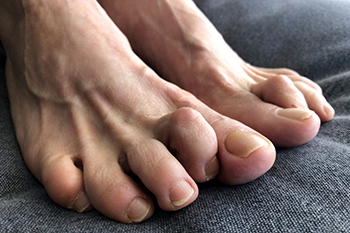
A hammertoe develops when a toe bends into a fixed Z-shaped position due to tendon imbalance or long-term pressure from shoes that lack adequate support. Other causes of hammertoe include structural issues like long toe bones or poor joint alignment. The raised portion of the toe can rub inside the shoe and lead to corns, calluses, or skin irritation, and some people feel pain in the ball of the foot when pressure shifts to that area. Diagnosis is made through a foot exam by a podiatrist who also checks nearby joints for signs of arthritis. Treatment includes wearing shoes with a wide toe box, toe pads to reduce rubbing, splints to limit irritation, and orthotics to ease pressure under the forefoot. Surgery may be advised when the toe becomes rigid and painful. If you are experiencing pain caused by a hammertoe, it is suggested that you schedule an appointment with a podiatrist for an exam and appropriate treatment.

Hammertoe

Hammertoes can be a painful condition to live with. For more information, contact the podiatrists from Issaquah Foot & Ankle Specialists. Our doctors will answer any of your foot- and ankle-related questions.

Hammertoe is a foot deformity that affects the joints of the second, third, fourth, or fifth toes of your feet. It is a painful foot condition in which these toes curl and arch up, which can often lead to pain when wearing footwear.

Symptoms

  • Pain in the affected toes
  • Development of corns or calluses due to friction
  • Inflammation
  • Redness
  • Contracture of the toes

Causes

Genetics – People who are genetically predisposed to hammertoe are often more susceptible

Arthritis – Because arthritis affects the joints in your toes, further deformities stemming from arthritis can occur

Trauma – Direct trauma to the toes could potentially lead to hammertoe

Ill-fitting shoes – Undue pressure on the front of the toes from ill-fitting shoes can potentially lead to the development of hammertoe

Treatment

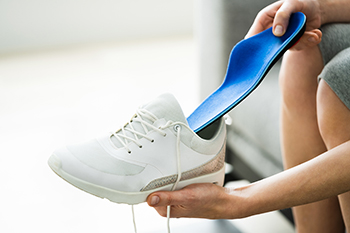
Orthotics – Custom made inserts can be used to help relieve pressure placed on the toes and therefore relieve some of the pain associated with it

Medications – Oral medications such as anti-inflammatories or NSAIDs could be used to treat the pain and inflammation hammertoes causes. Injections of corticosteroids are also sometimes used

Surgery – In more severe cases where the hammertoes have become more rigid, foot surgery is a potential option

If you have any questions, please feel free to contact one of our offices located in Issaquah, WA . We offer the newest diagnostic and treatment technologies for all your foot care needs.
Read more about What Are Hammertoes?

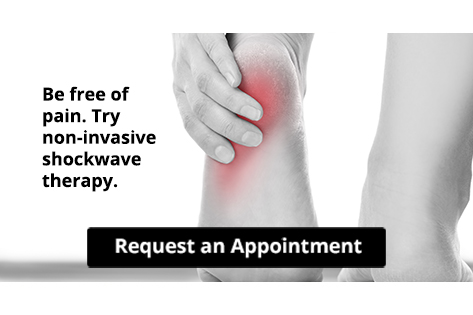
Reduce Foot Pain With Shockwave Therapy

Shockwave therapy treatments are administered outside the body and are non-invasive. A handheld transducer placed on the skin passes high-energy sound waves down into the injured tissue to increase blood flow. This activates the body’s natural healing process and reduces pain and inflammation. Shockwave therapy has provided fast results in treating heel pain, tendonitis, bursitis, and more with no needles or steroids.

Contact our office to learn more!

Tips for Finding the Right Shoes

Wearing the right shoes can play a huge role in the health of your feet. When shopping for new shoes, there are several things that you can do to ensure that you buy the best shoes for your feet. It is recommended that you shop for shoes in person rather than online, so that you can try on shoes, making sure that they fit well and leave room for the toes to move freely in. In a brick and mortar store, you will also be able to ask a salesperson to measure your feet to find out your exact shoe size. Many people wear the wrong size shoes because they are unaware that their feet have changed with age. It is also suggested that you try on shoes in the afternoon when the feet are at their largest. When you find a pair of shoes that are comfortable and fit properly, you may want to feel the inside of the shoe for tags, seams, or other materials that could potentially irritate your foot. You may also want to inspect the soles to make sure that they are thick enough to cushion and protect your feet. For more tips on buying the right shoes for you, consult with a podiatrist today.

It is important to find shoes that fit you properly in order to avoid a variety of different foot problems. For more information about treatment, contact the podiatrists from Issaquah Foot & Ankle Specialists. Our doctors will treat your foot and ankle needs.

Proper Shoe Fitting

Shoes have many different functions. They cushion our body weight, protect our feet, and allow us to safely play sports. You should always make sure that the shoes you wear fit you properly in order to avoid injuries and deformities such as: bunions, corns, calluses, hammertoes, plantar fasciitis, stress fractures, and more. It is important to note that although a certain pair of shoes might be a great fit for someone else, that doesn’t mean they will be a great fit for you. This is why you should always try on shoes before buying them to make sure they are worth the investment. Typically, shoes need to be replaced ever six months to one year of regular use.

Tips for Proper Shoe Fitting

  • Select a shoe that is shaped like your foot
  • Don’t buy shoes that fit too tight, expecting them to stretch to fit
  • Make sure there is enough space (3/8” to ½”) for your longest toe at the end of each shoe when you are standing up
  • Walk in the shoes to make sure they fit and feel right
  • Don’t select shoes by the size marked inside the shoe, but by how the shoe fits your foot

The shoes you buy should always feel as good as they look. Shoes that fit properly will last longer, feel better, and improve your way of life each day.

If you have any questions please contact one of our offices located in Issaquah, WA . We offer the newest diagnostic and treatment technologies for all your foot and ankle needs.

Read more about Proper Shoe Fitting

The Link Between Pregnancy and Itchy Feet

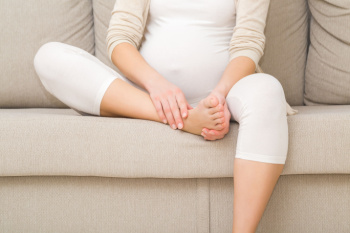
Itchy feet during pregnancy, also known as pruritus, is a common issue that can range from mild irritation to intense discomfort. Shifting hormones can increase skin sensitivity, while nerve changes and skin stretching may heighten the urge to scratch. Some women experience itchy feet due to underlying skin conditions, such as psoriasis. A more serious cause is cholestasis of pregnancy, a liver-related condition that can lead to significant itching and requires prompt medical attention. A podiatrist can evaluate your symptoms, provide soothing treatments, recommend safe skin care options, and identify signs that may need further medical testing. If you have developed itchy feet during your pregnancy, it is suggested that you consult a podiatrist for expert guidance and effective relief tips.

Pregnant women with swollen feet can be treated with a variety of different methods that are readily available. For more information about other cures for swollen feet during pregnancy, consult with the podiatrists from Issaquah Foot & Ankle Specialists. Our doctors will attend to all of your foot and ankle needs.

What Foot Problems Can Arise During Pregnancy?

One problem that can occur is overpronation, which occurs when the arch of the foot flattens and tends to roll inward.  This can cause pain and discomfort in your heels while you’re walking or even just standing up, trying to support your baby.  

Another problem is edema, or swelling in the extremities. This often affects the feet during pregnancy but tends to occur in the later stages. 

How Can I Keep My Feet Healthy During Pregnancy?

  • Wearing orthotics can provide extra support for the feet and help distribute weight evenly
  • Minimize the amount of time spent walking barefoot
  • Wear shoes with good arch support
  • Wear shoes that allow for good circulation to the feet
  • Elevate feet if you experience swelling
  • Massage your feet
  • Get regular, light exercise, such as walking, to promote blood circulation to the feet

If you have any questions, please feel free to contact one of our offices located in Issaquah, WA . We offer the newest diagnostic and treatment technologies for all your foot care needs.
Read more about Pregnancy and Foot Health

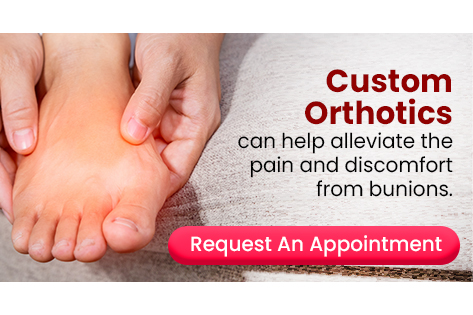
Bypass Bunion Surgery with Custom Orthotics

Considering bunion surgery? Think again. Custom Orthotics offer a non-surgical approach to reduce pain and restore foot function. Customized to your foot's structure, they realign and redistribute pressure, alleviating bunion discomfort. Experience the freedom of movement without the downtime and risks of surgery. Contact our office to make an appointment.

Blog Archives

MAKE YOUR APPOINTMENT TODAY

Book Online Request Appointment