
Dealing With Ankle Sprains

Ankle sprains occur when the ligaments that support the ankle joint stretch or tear. This injury is often caused by sudden twists, falls, uneven surfaces, or sports activities that put stress on the joint. The ankle may look swollen, bruised, or slightly deformed, and in severe cases it may appear unstable or misaligned. Many individuals feel sharp pain at the time of injury, followed by tenderness, stiffness, and difficulty bearing weight or walking normally. Up to 70 percent of ankle sprains affect the lateral ligaments on the outside of the ankle, and repeated sprains can lead to chronic instability if not treated properly. A podiatrist can start by evaluating the ankle, checking the range of motion, and using imaging if needed to rule out fractures. Treatment may include elevation, bracing, targeted exercises, and guidance on safe return to activity. Prompt professional care helps reduce recovery time and prevent long-term complications. If you experience persistent ankle pain or swelling after an injury, it is suggested that you make an appointment with a podiatrist.

Ankle sprains are common but need immediate attention. If you need your feet checked, contact the podiatrists from Issaquah Foot & Ankle Specialists. Our doctors can provide the care you need to keep you pain-free and on your feet.

How Does an Ankle Sprain Occur?

Ankle sprains take place when the ligaments in your ankle are torn or stretched beyond their limits. There are multiple ways that the ankle can become injured, including twisting or rolling over onto your ankle, putting undue stress on it, or causing trauma to the ankle itself.

What Are the Symptoms?

  • Mild to moderate bruising
  • Limited mobility
  • Swelling
  • Discoloration of the skin (depending on severity)

Preventing a Sprain

  • Wearing appropriate shoes for the occasion
  • Stretching before exercises and sports
  • Knowing your limits

Treatment of a Sprain

Treatment of a sprain depends on the severity.  Many times, people are told to rest and remain off their feet completely, while others are given an air cast. If the sprain is very severe, surgery may be required.

If you have suffered an ankle sprain previously, you may want to consider additional support such as a brace and regular exercises to strengthen the ankle.

If you have any questions please feel free to contact one of our offices located in Issaquah, WA . We offer the newest diagnostic tools and technology to treat your foot and ankle needs.

Read more about Ankle Sprains

Relieving Diabetic Foot Pain With Custom Orthotics

Diabetic foot pain often arises from nerve damage and poor circulation, leading to conditions like neuropathy, ulcers, and calluses. Orthotics can help by redistributing pressure, reducing friction, and providing cushioning to sensitive areas. Accommodative orthotics are softer and meant to provide additional cushioning and support. They can be used to treat diabetic foot ulcers, painful calluses on the bottom of the foot, and other uncomfortable conditions. By stabilizing the foot and improving alignment, orthotics can also enhance balance and walking efficiency. This support helps prevent further complications and promotes better overall foot health. If you are experiencing diabetic foot pain, it is suggested that you schedule an appointment with a podiatrist to discuss how custom orthotics can benefit you.

Custom orthotics are specialized shoe inserts created to support and align the feet according to each person’s unique structure and walking pattern. They are an effective way to relieve foot discomfort caused by conditions such as flat feet, high arches, plantar fasciitis, bunions, and heel pain. When the natural alignment of the foot is off balance, it can lead to pressure points, strain, and pain that affect how a person stands, walks, and moves. Orthotics work by redistributing weight evenly and supporting the arch to reduce stress on the muscles, tendons, and joints of the feet and lower legs.

Foot discomfort can develop for many reasons, including wearing improper footwear, long hours of standing, repetitive motion, or underlying structural problems. Over time, this discomfort can extend beyond the feet, contributing to knee, hip, or lower back pain. Custom orthotics help correct these issues by improving alignment and promoting more efficient movement. They are made using precise measurements and imaging to ensure the best fit for each patient, providing targeted support and cushioning where it is needed most.

Unlike generic insoles, custom orthotics are durable, medically designed, and tailored to your specific needs. Whether you are managing chronic pain, recovering from an injury, or simply seeking better comfort and stability, orthotics can make a noticeable difference in how your feet feel throughout the day.

If you are experiencing persistent foot discomfort or fatigue, it may be time to have your feet evaluated by a podiatrist. Call our office today for more information or to schedule an appointment.

If you have any questions, please feel free to contact one of our offices located in Issaquah, WA . 

Read more about Sole Marketing Foot Discomfort

When Arthritis Affects Your Feet

Arthritis in the feet can make each step feel heavier and more painful than the last. It often begins with stiffness in the morning or after sitting, followed by aching or swelling surrounding the joints of the toes, midfoot, or ankle. The pain may feel sharp during movement or dull and throbbing by the end of the day. As the condition progresses, joints can lose flexibility, making it harder to walk, climb stairs, or fit into regular shoes. Some people notice warmth, redness, or bony bumps forming around the affected areas. Because arthritis can worsen over time, early diagnosis is important. A podiatrist can assess joint health, recommend supportive footwear, custom orthotics, or anti-inflammatory treatments, and suggest gentle exercises to maintain mobility. If you have joint pain in your feet or ankles, it is suggested that you consult a podiatrist for relief options.

Arthritis can be a difficult condition to live with. If you are seeking treatment, contact the podiatrists from Issaquah Foot & Ankle Specialists. Our doctors can provide the care you need to keep you pain-free and on your feet.

Arthritic Foot Care  

Arthritis is a joint disorder that involves the inflammation of different joints in your body, such as those in your feet. Arthritis is often caused by a degenerative joint disease and causes mild to severe pain in all affected areas. In addition to this, swelling and stiffness in the affected joints can also be a common symptom of arthritis.

In many cases, wearing ill-fitting shoes can worsen the effects and pain of arthritis. Wearing shoes that have a lower heel and extra room can help your feet feel more comfortable. In cases of rheumatoid arthritis, the arch in your foot may become problematic. Buying shoes with proper arch support that contour to your feet can help immensely.

Alleviating Arthritic Pain

  • Exercises that stretch the foot can prevent further pain and injury and increase mobility
  • Most of the pain can be alleviated with anti-inflammatory drugs, heat, and topical medications
  • Massages can help temporarily alleviate pain.

It is best to see your doctor for the treatment that is right for your needs and symptoms. Conditions vary, and a podiatrist can help you determine the right method of care for your feet.

If you have any questions please feel free to contact one of our offices located in Issaquah, WA . We offer the newest diagnostic tools and technology to treat your foot and ankle needs.
Read more about Arthritic Foot Care

Common Reasons Heel Spurs Develop

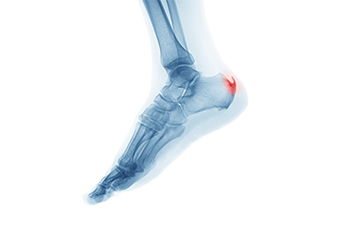
Heel spurs are bony growths that develop on the heel bone, often forming either beneath the heel or at the back where the Achilles tendon attaches. They result from ongoing stress or irritation of the bone, leading to an overproduction of calcium deposits. Over time, this buildup creates a spur-like projection. Several factors can contribute to the formation of a heel spur. Included are tightness in the plantar fascia or calf muscles, repetitive pressure from activities like running or jumping, and irritation from shoes that press against the heel. Foot injuries and chronic conditions like arthritis that cause inflammation, can also play a role. Abnormal foot biomechanics, like flat feet, may increase tension on heel structures, further encouraging bone spur development. Symptoms include sharp pain in the heel when first standing, lingering soreness after activity, stiffness, or the presence of a hard lump. If you have symptoms of a heel spur, it is suggested that you schedule an appointment with a podiatrist for an exam and appropriate treatment.

Heel spurs can be incredibly painful and sometimes may make you unable to participate in physical activities. To get medical care for your heel spurs, contact the podiatrists from Issaquah Foot & Ankle Specialists. Our doctors will do everything possible to treat your condition.

Heels Spurs

Heel spurs are formed by calcium deposits on the back of the foot where the heel is. This can also be caused by small fragments of bone breaking off one section of the foot, attaching onto the back of the foot. Heel spurs can also be bone growth on the back of the foot and may grow in the direction of the arch of the foot.

Older individuals usually suffer from heel spurs and pain sometimes intensifies with age. One of the main condition's spurs are related to is plantar fasciitis.

Pain

The pain associated with spurs is often because of weight placed on the feet. When someone is walking, their entire weight is concentrated on the feet. Bone spurs then have the tendency to affect other bones and tissues around the foot. As the pain continues, the feet will become tender and sensitive over time.

Treatments

There are many ways to treat heel spurs. If one is suffering from heel spurs in conjunction with pain, there are several methods for healing. Medication, surgery, and herbal care are some options.

If you have any questions, please feel free to contact one of our offices located in Issaquah, WA . We offer the newest diagnostic and treatment technologies for all your foot care needs.

Read more about Heel Spurs

We Can Treat Your Foot or Ankle Pain

Foot or ankle pain can negatively affect your day-to-day life and can occur due to several different conditions. Pain can also be an indicator of a more serious underlying condition, which is why you should seek professional help as soon as you notice any abnormalities in your feet.

Resuming Running After a Broken Ankle

Getting back to running after breaking an ankle depends on bone healing, joint stability, and strength in the foot and ankle. After an ankle fracture, stiffness, swelling, and weakness often occur due to immobilization in a cast or boot. Before running again, the ankle must handle body weight without pain or instability. A podiatrist can evaluate the ankle’s condition through imaging and physical testing to confirm proper alignment and strength. They can also prescribe custom orthotics or insoles to improve foot support and help distribute pressure evenly during impact. Attempting to run too soon can increase the risk of re-injury or chronic pain. Wearing stable running shoes and progressing slowly helps protect the ankle as mobility improves. In cases where surgery was needed, additional time and medical monitoring are essential before resuming running. If you are recovering from a broken ankle, it is suggested that you make an appointment with a podiatrist for a diagnosis and guidance on returning to strenuous activities.

Broken ankles need immediate treatment. If you are seeking treatment, contact the podiatrists from Issaquah Foot & Ankle Specialists. Our doctors can provide the care you need to keep you pain-free and on your feet. 

Broken Ankles
A broken ankle is experienced when a person fractures their tibia or fibula in the lower leg and ankle area. Both of these bones are attached at the bottom of the leg and combine to form what we know to be our ankle.

When a physician is referring to a break of the ankle, he or she is usually referring to a break in the area where the tibia and fibula are joined to create our ankle joint. Ankles are more prone to fractures because the ankle is an area that suffers a lot of pressure and stress. There are some obvious signs when a person experiences a fractured ankle, and the following symptoms may be present.

Symptoms of a Fractured Ankle

  • Excessive pain when the area is touched or when any pressure is placed on the ankle
  • Swelling around the area
  • Bruising of the area
  • Area appears to be deformed

If you suspect an ankle fracture, it is recommended to seek treatment as soon as possible. The sooner you have your podiatrist diagnose the fracture, the quicker you’ll be on the way towards recovery.

If you have any questions, please feel free to contact one of our offices located in Issaquah, WA . We offer the newest diagnostic and treatment technologies for all your foot care needs.

Read more about All About Broken Ankle

Custom Orthotics For Teen Athletes

Parents, support your athletic teens with Custom Orthotics! As they excel in sports and activities, their feet need optimal care. Custom Orthotics provide the right alignment, reducing fatigue and enhancing performance. They help absorb shocks, minimize injuries, and cater to their unique foot structure. Don't let foot discomfort sideline their passion. Invest in their comfort and athletic future by choosing Custom Orthotics from our office. Call today for an appointment.

Understanding Hammertoe

Hammertoe is a condition where one or more toes bend abnormally at the middle joint, creating a curled or claw-like appearance. This often happens when muscles and tendons in the toe become imbalanced, pulling the joint into the wrong position. Wearing tight or ill-fitting shoes, high heels, or inherited foot structure can all play a role in its development. At first, hammertoe may cause only mild discomfort, but over time, it can lead to pain, corns, calluses, or difficulty wearing certain shoes. The affected toe may also become stiff, making it harder to move. Treatment depends on how advanced the condition is. Early care can include wearing shoes with a wide toe box, using pads or orthotics, and doing simple stretching exercises. In more severe cases, surgery may be needed to straighten the toe. If you are experiencing pain or changes in your toes, it is suggested that you see a podiatrist for expert advice and guidance.

Hammertoes can be a painful condition to live with. For more information, contact the podiatrists of Issaquah Foot & Ankle Specialists. Our doctors will answer any of your foot- and ankle-related questions.

Hammertoe

Hammertoe is a foot deformity that occurs due to an imbalance in the muscles, tendons, or ligaments that normally hold the toe straight. It can be caused by the type of shoes you wear, your foot structure, trauma, and certain disease processes.

Symptoms

  • Painful and/or difficult toe movement
  • Swelling
  • Joint stiffness
  • Calluses/Corns
  • Physical deformity

Risk Factors

  • Age – The risk of hammertoe increases with age
  • Sex – Women are more likely to have hammertoe compared to men
  • Toe Length – You are more likely to develop hammertoe if your second toe is longer than your big toe
  • Certain Diseases – Arthritis and diabetes may make you more likely to develop hammertoe

Treatment

If you have hammertoe, you should change into a more comfortable shoe that provides enough room for your toes. Exercises such as picking up marbles may strengthen and stretch your toe muscles. Nevertheless, it is important to seek assistance from a podiatrist in order to determine the severity of your hammertoe and see which treatment option will work best for you.

If you have any questions, please feel free to contact one of our offices located in Issaquah, WA . We offer the newest diagnostic and treatment technologies for all your foot care needs.

Read more about Hammertoe

Enhancing Sports Performance with Orthotics

Orthotics help to improve foot alignment and reduce strain on muscles and joints during sports and physical activities. They work to optimize skeletal movement, minimize unnecessary muscle work, and enhance overall efficiency. The shoe sole acts as the first filter for force impact, orthotics serve as the second filter, and the plantar surface of the foot functions as the third filter. Together they create a balanced system to absorb shock and improve stability. A podiatrist can assess foot mechanics, design custom orthotics, and provide guidance to prevent injuries and boost performance. If you have foot pain after physical activity, it is suggested that you schedule a visit with a podiatrist to discuss the benefits of orthotics for improved comfort, endurance, and athletic performance.

Custom orthotics are specialized shoe inserts created to support and align the feet according to each person’s unique structure and walking pattern. They are an effective way to relieve foot discomfort caused by conditions such as flat feet, high arches, plantar fasciitis, bunions, and heel pain. When the natural alignment of the foot is off balance, it can lead to pressure points, strain, and pain that affect how a person stands, walks, and moves. Orthotics work by redistributing weight evenly and supporting the arch to reduce stress on the muscles, tendons, and joints of the feet and lower legs.

Foot discomfort can develop for many reasons, including wearing improper footwear, long hours of standing, repetitive motion, or underlying structural problems. Over time, this discomfort can extend beyond the feet, contributing to knee, hip, or lower back pain. Custom orthotics help correct these issues by improving alignment and promoting more efficient movement. They are made using precise measurements and imaging to ensure the best fit for each patient, providing targeted support and cushioning where it is needed most.

Unlike generic insoles, custom orthotics are durable, medically designed, and tailored to your specific needs. Whether you are managing chronic pain, recovering from an injury, or simply seeking better comfort and stability, orthotics can make a noticeable difference in how your feet feel throughout the day.

If you are experiencing persistent foot discomfort or fatigue, it may be time to have your feet evaluated by a podiatrist. Call our office today for more information or to schedule an appointment.

If you have any questions, please feel free to contact one of our offices located in Issaquah, WA . 

Read more about Sole Marketing Supporting Our Feet

The Importance of a Biomechanical Assessment of the Foot and Ankle

A biomechanical assessment of the foot and ankle is a valuable way to understand how movement patterns may contribute to discomfort or injury. During this evaluation, a podiatrist studies how the joints and muscles work together while walking or standing. The structure of the arch, alignment of the heel, and flexibility of the ankle are carefully observed. Sometimes uneven weight distribution or muscle imbalances place extra stress on certain areas, leading to pain or reduced mobility. This type of assessment can help uncover underlying causes of conditions such as heel pain, shin splints, or recurrent ankle sprains. Once the source is identified, personalized treatment options such as orthotics, targeted exercises, or footwear recommendations can be provided. If you are experiencing ongoing foot or ankle concerns, it is suggested that you consult a podiatrist for a thorough biomechanical evaluation.

If you have any concerns about your feet, contact the podiatrists from Issaquah Foot & Ankle Specialists. Our doctors can provide the care you need to keep you pain-free and on your feet.

Biomechanics in Podiatry

Podiatric biomechanics is a particular sector of specialty podiatry with licensed practitioners who are trained to diagnose and treat conditions affecting the foot, ankle and lower leg. Biomechanics deals with the forces that act against the body, causing an interference with the biological structures. It focuses on the movement of the ankle, the foot and the forces that interact with them.

A History of Biomechanics

  • Biomechanics dates back to the BC era in Egypt where evidence of professional foot care has been recorded.
  • In 1974, biomechanics gained a higher profile from the studies of Merton Root, who claimed that by changing or controlling the forces between the ankle and the foot, corrections or conditions could be implemented to gain strength and coordination in the area.

Modern technological improvements are based on past theories and therapeutic processes that provide a better understanding of podiatric concepts for biomechanics. Computers can provide accurate information about the forces and patterns of the feet and lower legs.

Understanding biomechanics of the feet can help improve and eliminate pain, stopping further stress to the foot.

If you have any questions please feel free to contact one of our offices located in Issaquah, WA . We offer the newest diagnostic and treatment technologies for all your foot and ankle needs.

Read more about The Importance of Biomechanics in Podiatry

Blog Archives

MAKE YOUR APPOINTMENT TODAY

Book Online Request Appointment